Making Sense of MetaMask Accounts
From Everyday Organization to Bitcoin Support

Overview
Role: Senior UX Researcher
Team: Accounts, Portfolio, Ramps, Snaps, Builder's Engagement
Timeline: Q1–Q3 2024 (three connected studies)
Product: MetaMask Wallet (browser extension and mobile app)
The Problem
Some MetaMask users have 10, 20, or more accounts. Once you're managing that many, just telling them apart becomes a real problem. Simultaneously, MetaMask was preparing to support Bitcoin and Solana for the first time, marking a major shift, since those networks work nothing like Ethereum under the hood.
These two problems were more connected than they looked. Before asking people to trust MetaMask with a brand-new asset like Bitcoin, we needed to understand how they were already keeping track of the accounts and assets they had.
My Approach
Rather than treat this as three separate projects, I connected them into a single research arc, with each study sharpening and informing the next.
I started with 45-60 minute interviews with several power users who each managed 10+ accounts, walking through how they create, nickname, organize, import/export, and switch between accounts.
These findings shaped an unmoderated card sort with 20 participants, where people ranked 15+ ways of organizing accounts (e.g. balance, last used, hardware wallet, chain, etc.) to tell us which options people would actually use.
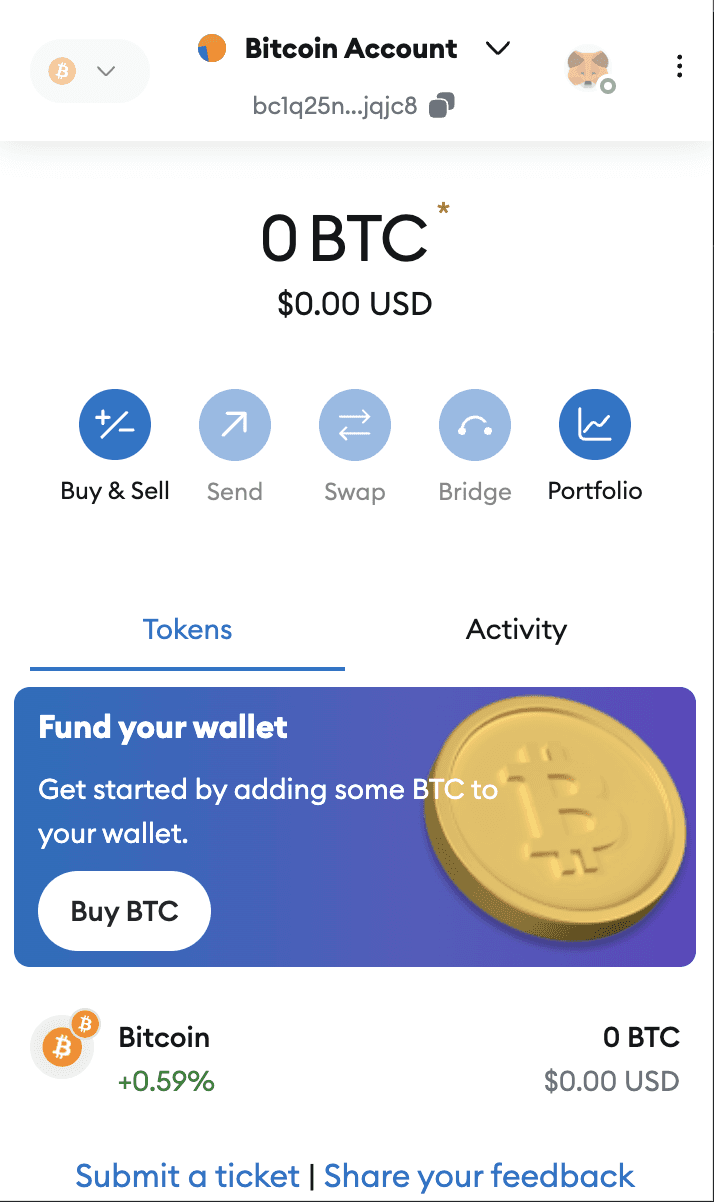
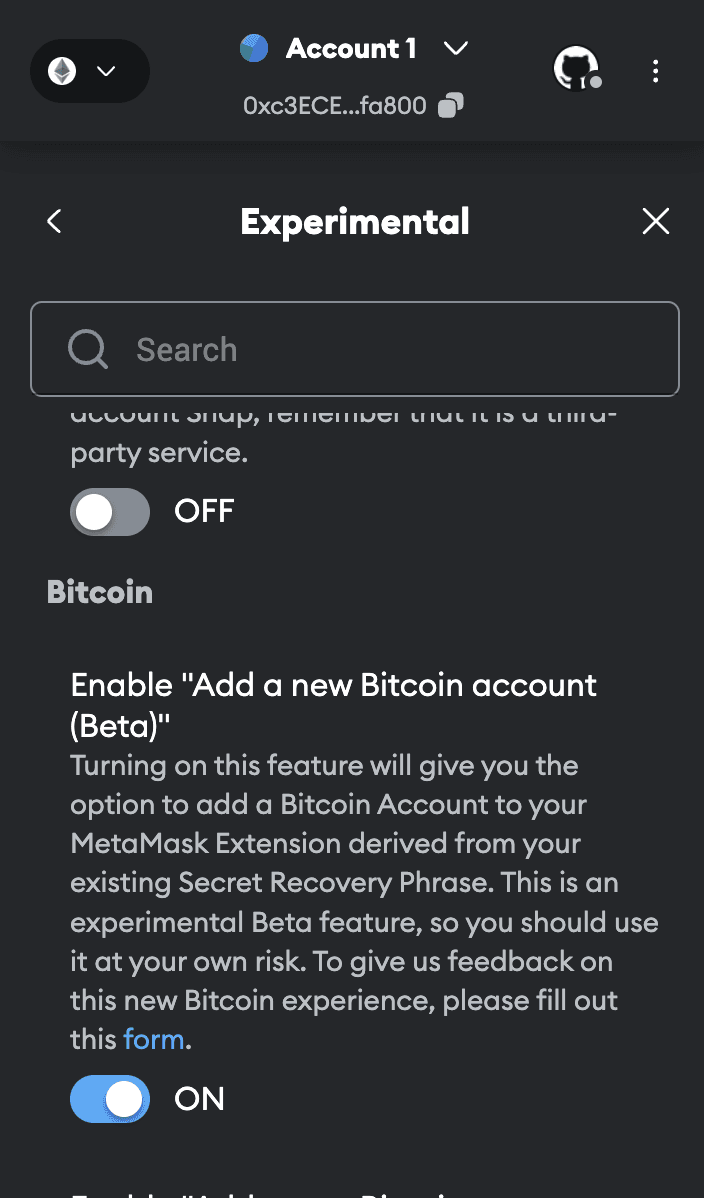
As Bitcoin and Solana support neared launch, I ran two rounds of testing: a moderated usability test using Figma prototypes and a developer version of MetaMask Flask where participants created a new Bitcoin account and bought $30 of real Bitcoin with their own money, on purpose, because that's the moment trust and confusion matter most.

What Worked
Building the studies on top of each other paid off. The interviews surface thematic pain points and gave the card sort real categories to test, and both gave the Bitcoin testing a clear list of expectations to check against, instead of starting from scratch.
The card sort cut through guesswork. Balance, last used, and creation date were consistently ranked as the most useful ways to sort accounts, while niche options like network or NFT count ranked lowest. That gave our team a clear, user-backed priority list instead of a debate about which sorting features to build first.
Testing with real money surfaced real behavior. Having participants buy $30 of actual Bitcoin, rather than a simulated flow, meant the moments of hesitation and doubt we saw were genuine. That made the resulting fixes easy to justify to the broader team.
What I Learned
On everyday account management: people juggle accounts to separate use cases, asset types, and risk. Color and iconography came up repeatedly: one participant compared it to a brand color, like red for Ferrari, as a way to recognize an account at a glance. Several people also said they lost real time just navigating to the right account or network.
From the card sort: balance, last used, and creation date were consistently the most useful sorting options; niche options like network or NFT count ranked lowest. This directly shaped which sorting tools the dev team built first.
From Bitcoin testing: the first few minutes made or broke trust. Comparing wallet addresses was inconsistent and genuinely hard to verify, a costly problem given what a mistake there could mean. Participants also wanted clearer signals about transaction status while real money was moving, and expected Bitcoin accounts to support the same basics as Ethereum ones.
Why It Mattered
Each study built directly on the last: interviews shaped the card sort, and both shaped how we tested Bitcoin and Solana integration. Every stage answered a sharper question with more confidence. I ran the research end to end: discussion guides, moderation, recruiting, reimbursement for real Bitcoin purchases, and keeping five product teams aligned to one timeline.
These findings were generalizable enough to be useful to other teams that touched UX. This work helped de-risk a Bitcoin launch spanning five teams by proving, end to end, that a new user could create an account and buy Bitcoin successfully, while giving the team a clear, user-backed plan for sorting and organizing accounts going forward.